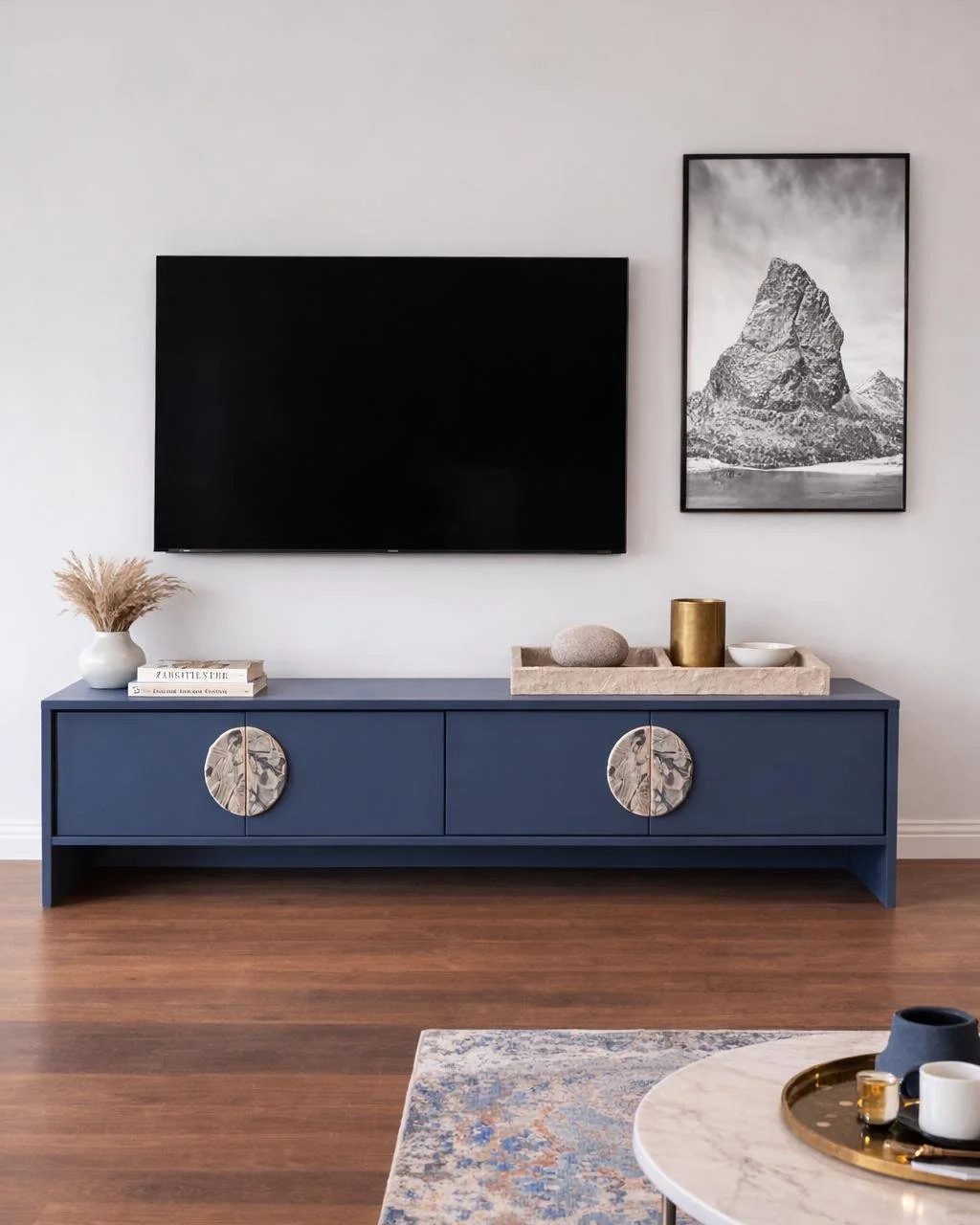
Colour in Joinery: A New Design Direction
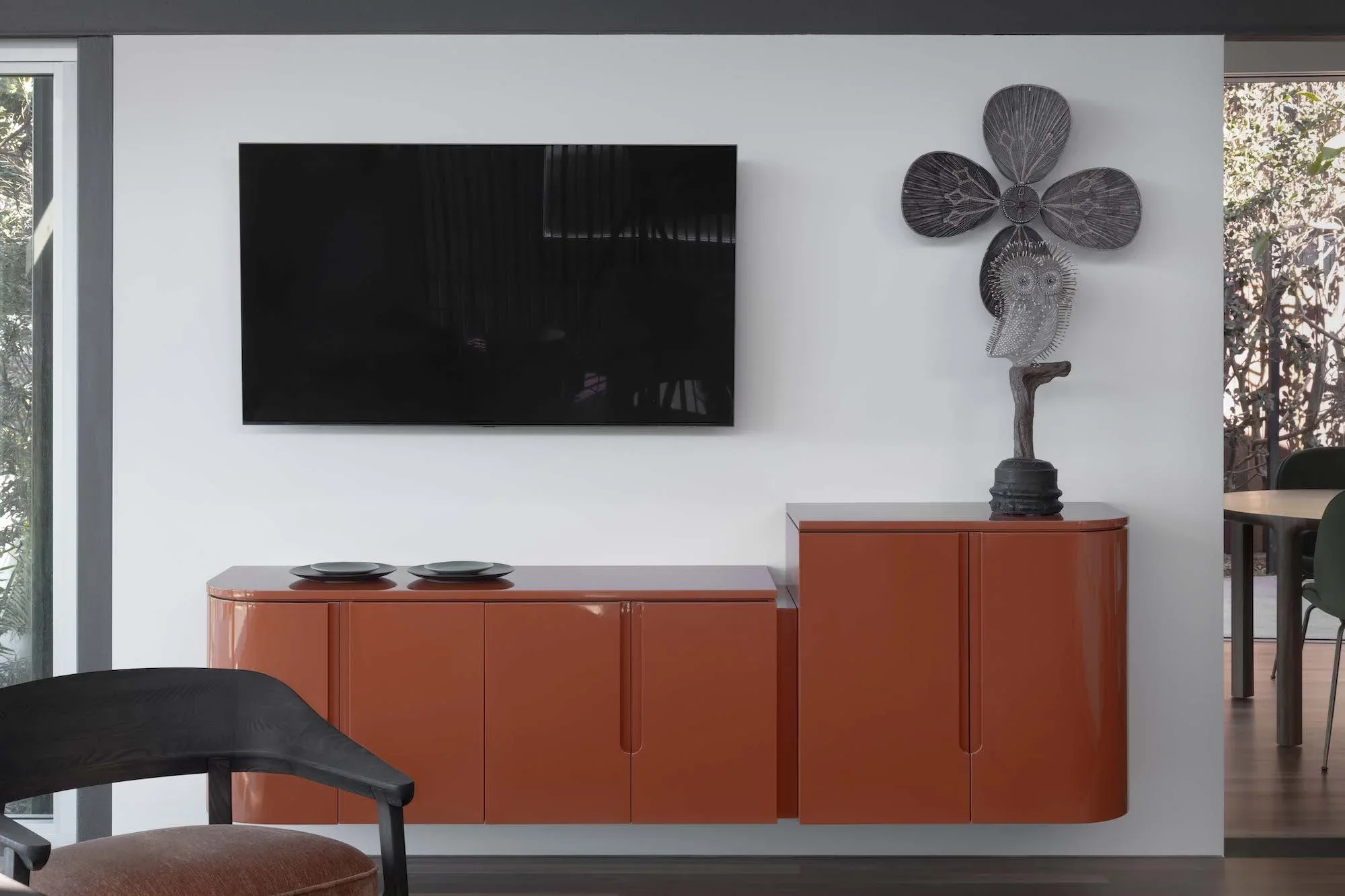
There’s a quiet shift in interior design where colour is being used in joinery to add warmth, depth and definition…
Coloured joinery is one of the newer shifts we’re seeing come through in both residential and commercial interiors. At iSpace Solutions, we’ve always approached joinery as something that should sit within the architecture of a space, not as a standalone feature. What’s changing now is how colour is being used to support that - moving beyond timber and white finishes into more considered, tonal directions.
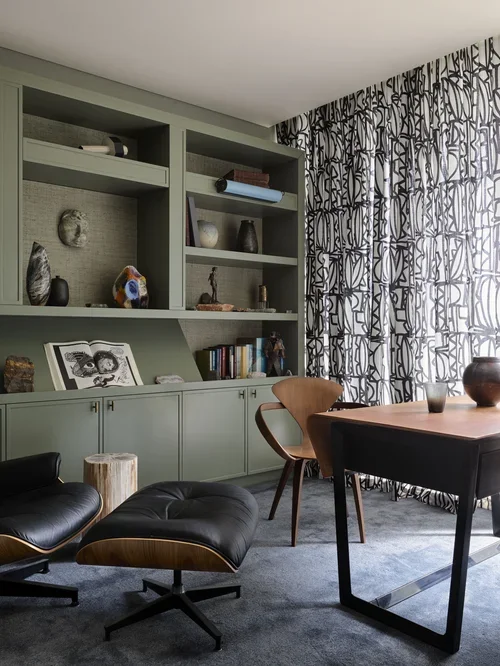
Soft greens, muted blues, clay tones, warm neutrals, and softened orange hues are emerging as part of this palette. It’s less about bold statements and more about restraint - colour used to bring warmth, soften edges, or quietly define areas within an open-plan layout without relying on structural changes.
In kitchens, this shift is particularly noticeable. Colour is helping to soften larger, hard-working spaces, making them feel more integrated and less utilitarian, while still holding their function. We’re also seeing it extend beyond the kitchen into entertainment units, shelving and storage, areas where joinery becomes part of the everyday backdrop of living rather than a separate design moment.
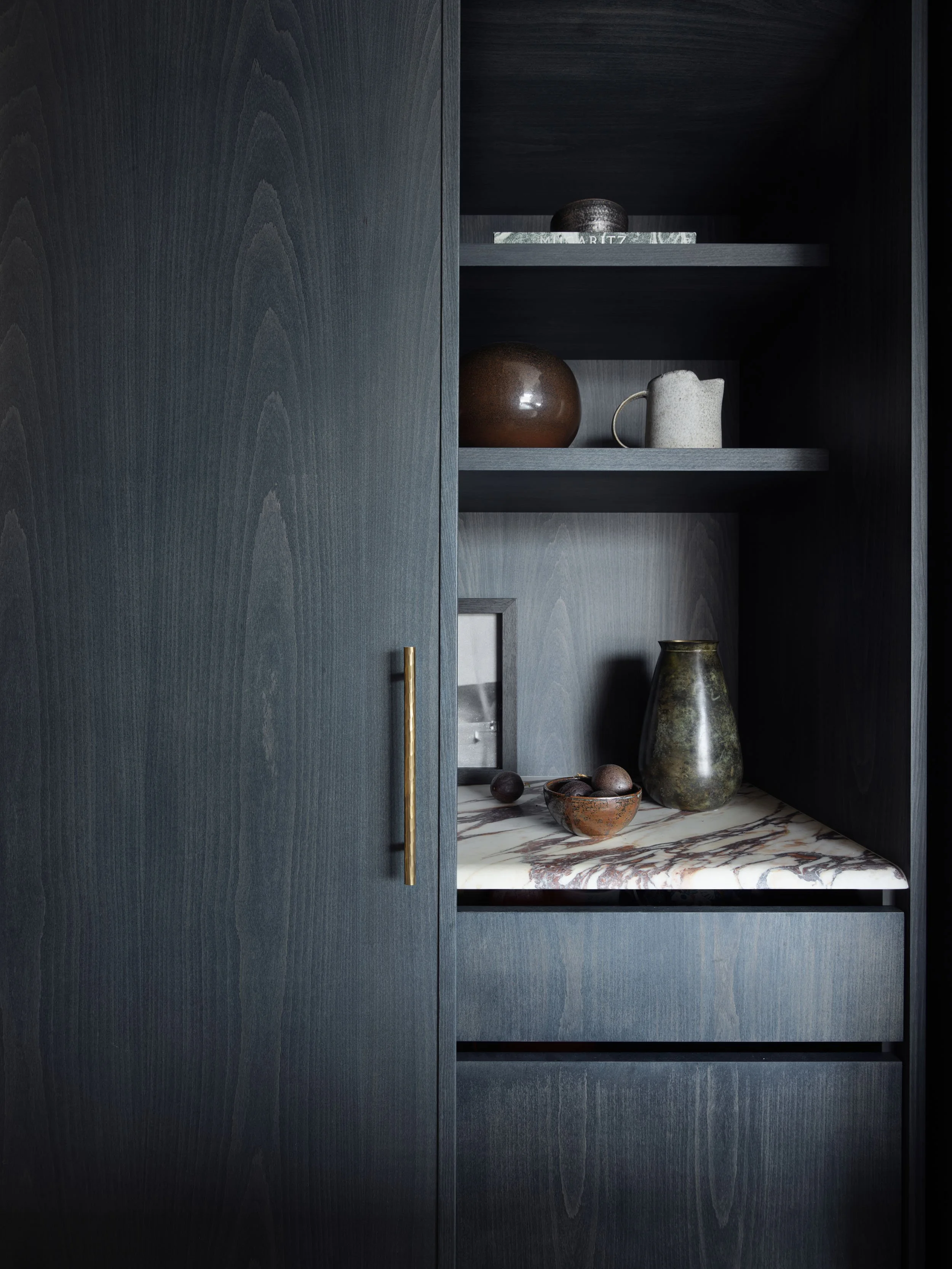
Entertainment units are becoming more architectural, built to sit seamlessly into walls and living spaces rather than stand apart. Shelving is being used as both storage and display, with colour adding depth and rhythm rather than distraction. Even practical storage is being rethought, with tonal finishes allowing it to disappear or gently anchor a space depending on the intent.
What makes this trend interesting is how dependent it is on detail. The same colour can feel completely different depending on finish, lighting, and how it’s paired with surrounding materials. At iSpace, the focus is always on that integration, making sure the joinery feels like it belongs, rather than being added in.
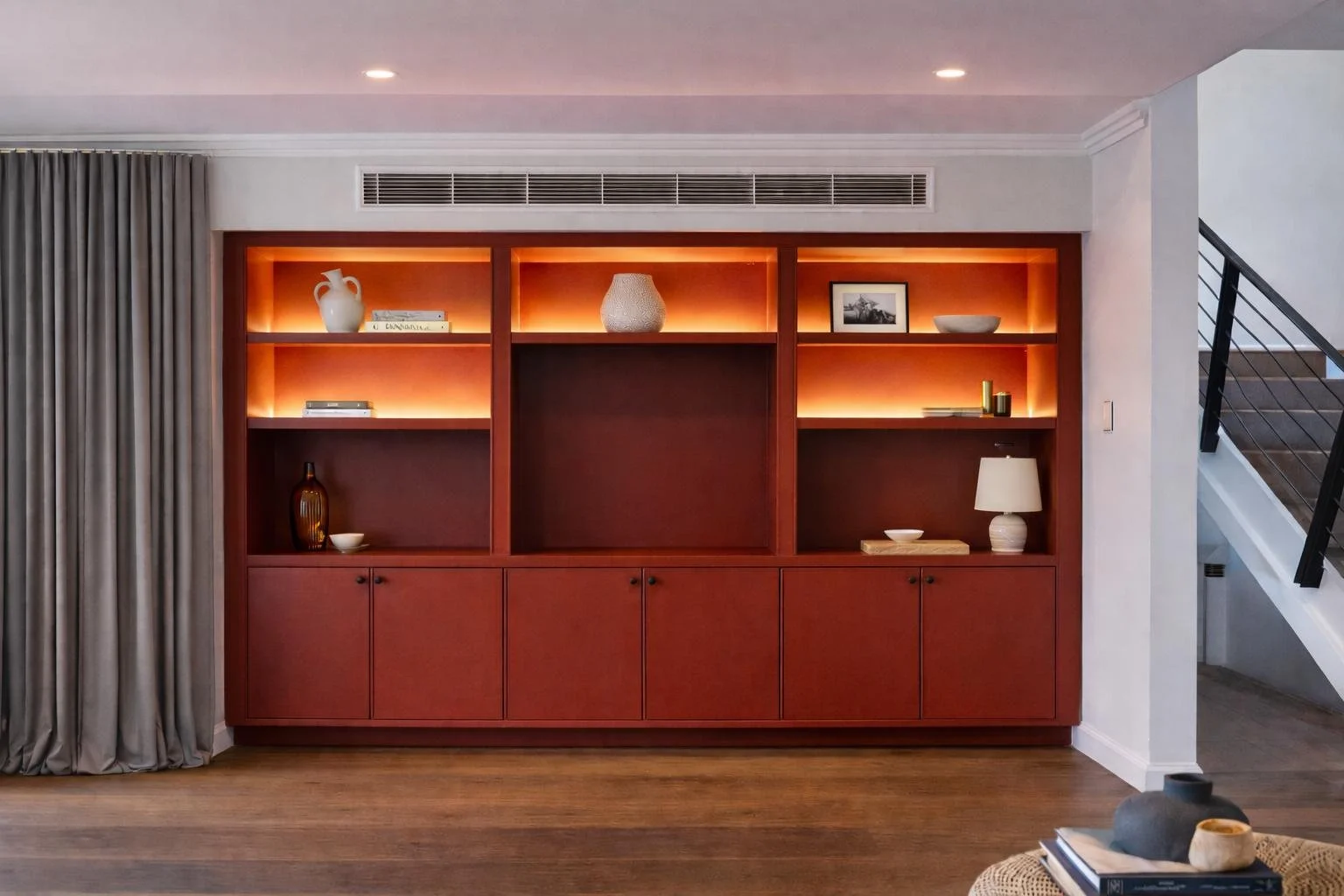
Colour is being used to create a sense of continuity throughout the home, carrying a tone or material language from room to room so spaces feel connected, calm, and intentionally resolved.
It’s still early in the trend cycle, but what’s clear is that colour is no longer being treated as an accent. It’s becoming part of the foundation of how joinery is designed and experienced.